


Scherco R. Baban | Exclusive to iKurd.net
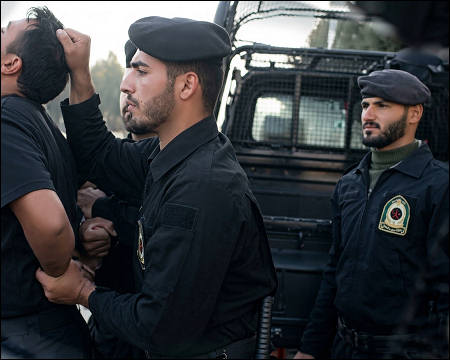
In the complex landscape of Iranian geopolitics, the conversation often centers on the brutality of the current Islamic Republic. However, a deeper, more structural issue persists that threatens the future of peace and freedom even more than the current administration: Persian supremacism.
While the world watches the struggle for social reforms, such as the end of mandatory hijab, the systemic oppression of ethnic minorities remains a blind spot for many within the “democratic opposition.”
The Nature of Supremacism
Supremacism functions as an extension of racism. It is the belief that one ethnic group is inherently superior, making their dominance over others appear “natural” or “inevitable.” This ideology is not merely a social prejudice; it is an institutionalized force.
To maintain this hierarchy, states create institutions designed to:
-
Monitor and Control: Tracking the movements and political expressions of marginalized groups.
-
Oppress and Incarcerate: Using the legal system as a tool for subjugation.
-
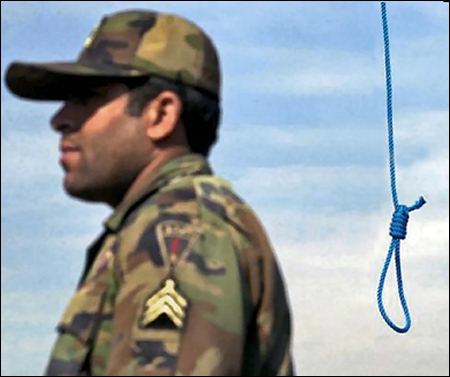
Violence: Utilizing torture and lethal force against those who resist the ruling group’s dominance.
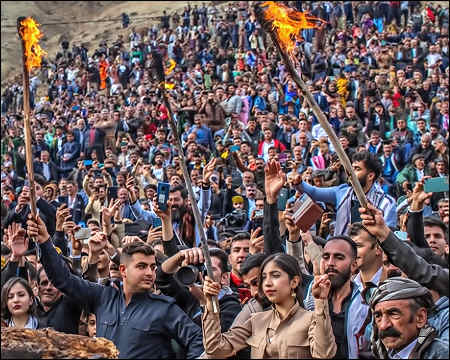
For the Kurds and Baloch people in Iran, this is not a theoretical threat—it is a daily reality. The chilling truth is that many segments of the Persian “democratic opposition” have historically remained silent on this systemic racism.
For these groups, a future Iran might be free of the veil, but it could potentially see an even more intensified crackdown on Kurdish autonomy and rights.
The Illusion of Democracy
It is a common misconception that “democracy” is a catch-all solution for the Kurdish question. A country can maintain the outward appearance of a democracy—complete with multi-party systems and regular elections—while still stripping a specific group of their dignity and fundamental rights.
We see this model in neighboring Turkey, where democratic processes coexist with the daily humiliation and disenfranchisement of the Kurdish population. If a new Iranian government adopts this “majoritarian” style of democracy without dismantling supremacist ideologies, the plight of the Kurds and other minorities will remain unchanged.
Geopolitical Shifts and the Kurdish Struggle
In the event of a regime change, a new Iranian government will likely face massive internal crises. To stabilize, it will seek cooperation with neighboring states.
Historically, this has led to “anti-Kurdish” pacts, where regional powers collaborate to suppress Kurdish aspirations for the sake of border security and “territorial unity”.
The role of external players further complicates the path to liberation:
-
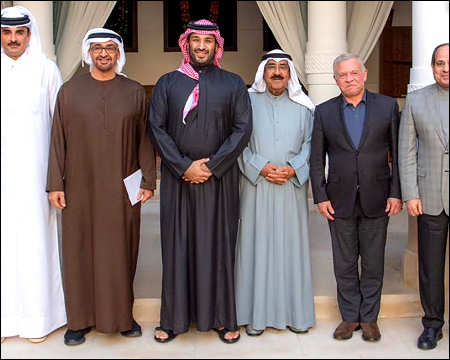
Saudi Arabia: Currently funds major propaganda outlets like Iran International, which serves Pahlavist interests. Saudi Arabia’s primary goal is regional de-escalation (such as ending Iranian support for the Houthis or Hezbollah), not the promotion of national groups rights within Iran.
-
Regional Identity: Countries like Saudi Arabia and the UAE have expressed strong support for the “Arab identity” of Iraq, showing little interest in supporting Rojhalat (East Kurdistan).
-
The Vulnerability of South Kurdistan: The Kurdistan Regional Government (KRG) in Iraq remains largely dependent on a U.S. presence for its survival, highlighting the fragile nature of Kurdish autonomy in a hostile region.
-
Internal Eternal Divisions: The current mostly left leaning Kurdish parties and the leadership of those are unable to mature up towards the National goals of the Kurdish Nation instead of Utopian Goals such Democracy for Iran, Coexistence and the infamous Brotherhood of Nations.
Conclusion
A change in leadership in Tehran is not enough. If the underlying framework of Persian supremacism is not dismantled, the “New Iran” will simply be an old system with a different face. For true peace to exist, the opposition must move beyond the removal of the current regime and address the systemic racism that has defined the Iranian state for generations.
Until the right to self-determination and the dignity of the Kurds, Balochs and other nations are central to the democratic platform, the cycle of oppression is destined to repeat.
Scherco R. Baban, an independent researcher and analyst specializing in Kurdish Question and The Middle Eastern security, economical and cultural dynamics.
The opinions are those of the writer and do not necessarily represent the views of iKurd.net or its editors.
Copyright © 2026 iKurd.net. All rights reserved.
Related posts:
 The Assassination of Abdurrahman Ghassemlou: No Friends but the Mullahs?
 A Root Cause Review of the Israeli-Hamas Conflict
 Iran Regime Change Vs. Map Change
 The Sun Also Rises in Western Iran
 Who Are the Persians? – Part IV
 Iran, a Failed Country by Enemies Within
 The Suffocation of Iraq Kurdistan
 Who Are the Persians? – Part VI
 Who Are the Persians, Part V
 Iran – Toxic Theocracy – Part I