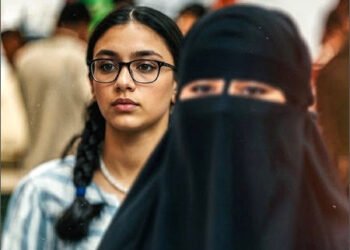


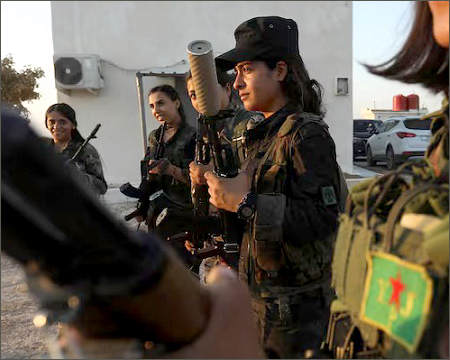
QAMISHLO, Syrian Kurdistan,— Kurdish women fighters who gained worldwide attention for battling Islamic State are now in talks with Syria’s new Islamist leaders, trying to keep an organized combat role after a major government shake-up put their future in doubt.
The Women’s Protection Units, known as the YPJ, are part of the YPG, which fought alongside the U.S.-backed Syrian Democratic Forces SDF during Syria’s civil war. Together, they helped push Islamic State out of large areas in the country’s north and east.
The YPG serves as the main strength behind the SDF, the armed wing of the self-run Kurdish administration in Syrian Kurdistan, Rojava Kurdistan. Kurdish-led forces took back wide stretches of Syrian territory from Islamic State fighters.
Those forces removed Islamic State from its final stronghold in the eastern Syrian village of Baghouz in March 2019. More than 21,000 young Kurdish men and women died fighting Islamic State and Turkish-backed Syrian Islamist armed mercenary groups.
The YPJ became one of the war’s most recognized fighting units, known worldwide for its all-female ranks battling Islamic State militants.
The unit’s future became unclear after former President Bashar al-Assad was removed from power in late 2024, followed by a new government run by Islamist rebels. The new leadership has worked to bring formerly independent armed groups under state control.
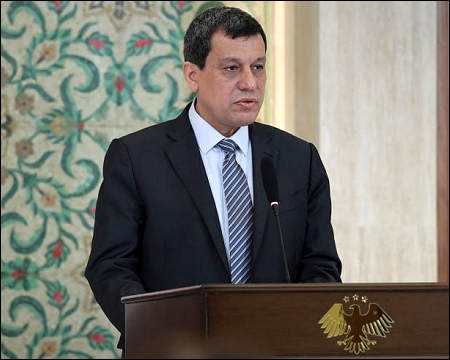
Last week, the SDF was officially dissolved. Its commander, General Mazloum Abdi, was named an adviser to interim President Ahmed al-Sharaa, formerly known as Golani, and other SDF members moved into the defense ministry. However, no women hold posts in Syria’s new defense ministry.
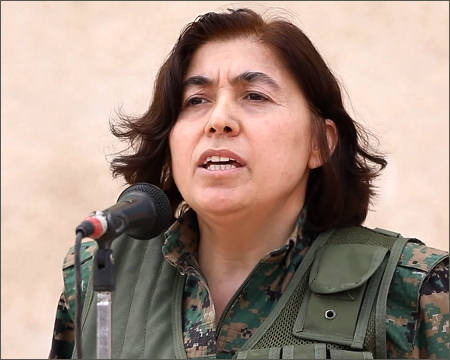
YPJ commander Newroz Ahmed said that during meetings with Sharaa in Damascus last week, she was told her fighters would not have a place in the military.
“We were aiming to join the army, because our forces have experience and expertise that would enable them to protect themselves in an organized way in the form of an independent brigade or battalion,” Ahmed told Reuters at a military base in the northeastern main Kurdish city of Qamishlo.
“Our main condition was that this force must be organized, must not be deployed to any place, and must not be in small groups. They rejected this proposal.”
Female fighters’ role unclear
The YPJ is now talking with Syria’s interior ministry, hoping to find another way to stay together as an organized force. These talks are happening as the new government reshapes Syria’s security agencies following more than a decade of war.
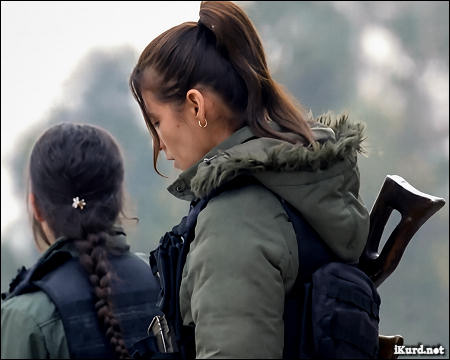
The interior ministry already has women working in a tourism police unit. Earlier this year, Syrian officials suggested YPJ fighters join that unit, according to people familiar with the discussions.
The YPJ turned down the offer, those sources said, though a YPJ spokesperson denied such a proposal was ever made.
Ahmed said the YPJ instead suggested joining the interior ministry’s special operations forces, a unit that better matches her fighters’ training and could boost the number of women in forces mostly made up of men.
“When we discussed with the interior ministry, we told them that our forces comprise more than 1,500 fighters and we asked whether all these forces would be merged or not,” Ahmed said, adding that she expects an answer “in the coming days.”
Syria’s defense and interior ministries did not immediately respond to questions from Reuters about the talks.
Interior ministry spokesperson Noureddine al-Baba told Kurdish news outlet Rudaw on Friday that YPJ fighters would be accepted into the ministry, though he gave no specifics about their duties. He said any units would be sent across the country rather than kept in one region.
Kurdish distrust remains
These discussions are unfolding amid ongoing Kurdish suspicion of Syria’s new government.
Many Kurds remain cautious of the new leadership, pointing to deadly violence carried out by government-linked Islamist forces against minority groups in 2025, as well as Sharaa’s past leadership of Al Qaeda’s branch in Syria before he cut ties with the group.
The outcome for the YPJ carries weight for many Kurdish women, who see the force as proof of political and social progress won during the war.

“They always see women as weak. We as women don’t draw our strength from men, nor do we draw our strength from the current state,” said Goksu Ciyager, a 20-year-old YPJ fighter. “Of course, we want to have a special case and we insist on this.”
Penaber Baran, a 31-year-old YPJ unit commander, said Syria’s constitution should clearly protect a role for the force. “Until today, we have never waited for anyone to defend us,” she said. “We as women defended ourselves.”
Before Assad’s fall and the rise of Sharaa, the Autonomous Administration, set up in 2018, ran the region under a system called democratic confederalism.
The system stresses direct democracy, equal rights for women, separation of religion from government, and protection of the environment. It has drawn wide recognition for expanding women’s roles in politics and local decision-making.
As in Israel, Kurdish women are required to serve in the Kurdish armed forces to help defend the Rojava region, under local rules supporting equal rights. Women make up close to half of those involved in military, political, and social institutions.
(With files from Reuters | Agencies)
Copyright © 2026 iKurd.net. All rights reserved.
Related posts:
 Syrian Kurdish Women Fighters: A Beacon of Women’s Empowerment
 Business with ISIS – Updated
 Sabotaging Syria
 The Rojava Revolution Has Lessons for Western Feminism
 Syria: A ‘Caliphate’ by Any Other Name — Would Smell the Same
 Syria: Revisiting The Caesar Torture Victim Photographs
 Powerful, yet are they Useless?
 The Resurrection (Ba’ath) Party – Before the Iran-Iraq War
 Turkey: Nato’s Islamic State Member
 Stealing Syria