


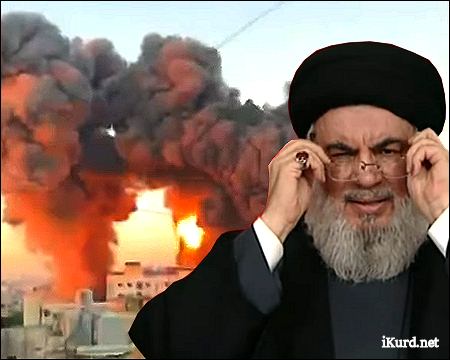
BEIRUT,— Israel announced on Saturday that it had successfully killed Hezbollah leader Sayyed Hassan Nasrallah in a targeted airstrike in Beirut’s southern suburbs.
The strike, carried out the previous day, could represent a significant blow to Hezbollah, as it struggles with an intensifying Israeli military campaign.
Hezbollah, the Iran-backed militant group, has officially confirmed the death of Nasrallah.
Nasrallah has led the organization for over three decades, playing a crucial role in advancing Iran’s influence in the region through the so-called “Axis of Resistance.”
His death would deal a severe setback not only to Hezbollah but also to its main ally, Iran, which relies heavily on the group for its regional strategy.
The Israeli military confirmed that Nasrallah had been killed during an airstrike that targeted Hezbollah’s underground command center in Dahiyeh, a Hezbollah stronghold in southern Beirut.
According to the military’s statement, the strike also eliminated senior Hezbollah figure Ali Karaki and several other key commanders.
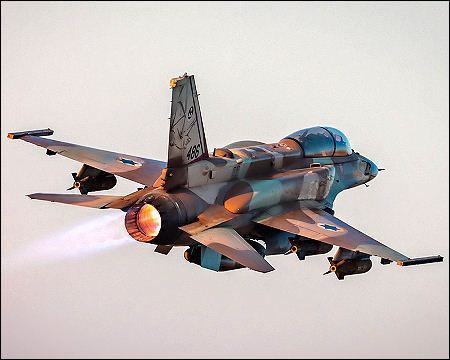
“The strike was executed while Hezbollah’s leadership was actively coordinating terrorist operations targeting Israeli civilians,” the Israeli military said.
The airstrike on Friday shook the Lebanese capital with a series of powerful explosions, leaving a large crater in the heavily populated Dahiyeh area.
Lebanese security sources reported that the blast was so intense that it left a crater over 20 meters deep. Saturday saw continued Israeli airstrikes on Dahiyeh and other locations across Lebanon, further escalating the conflict.
The intensifying violence has raised concerns that the conflict between Israel and Hezbollah could spiral out of control. There are fears that the escalation may draw in Iran, Hezbollah’s chief sponsor, and possibly the United States.
On Friday evening, a source close to Hezbollah informed Reuters that Nasrallah had been unreachable following the strike.
Israel followed up on its initial strike with another wave of attacks on Saturday, targeting several areas in Lebanon, as tensions between the two sides continue to rise.
On September 17, 2024, Israel’s intelligence agency, Mossad, detonated thousands of pagers used by Hezbollah.
According to political analyst Henase Karim, “Abdul-Malik al-Houthi, the leader of the Iran-backed Houthi Shiite militant group in Yemen, could be a potential target for Israel. The Houthis have launched numerous drones and ballistic missiles at Israel and have also targeted ships in the Red Sea and are considered a threat to Israel.”

Iran’s supreme leader transferred to secure location due to increased security concerns
Iran’s Supreme Leader Ayatollah Ali Khamenei has been relocated to a secure site within the country amid increased security precautions, according to two regional officials familiar with the situation, who spoke to Reuters.
The sources revealed that Iran remains in continuous communication with Hezbollah in Lebanon and other allied groups in the region to assess the next steps, following Israel’s announcement of the killing of Hezbollah leader Hassan Nasrallah during an airstrike in southern Beirut on Friday.
(With files from Reuters)
Copyright © 2024 iKurd.net. All rights reserved
Related posts:
 The War of Attrition on Lebanon
 The Resurrection (Ba’ath) Party – Before the Iran-Iraq War
 The Terror Instructor – Nouri al-Maliki
 Mass funeral held for slain Hezbollah leader Hassan Nasrallah in Lebanon
 Iran’s Quds force chief, Hezbollah leader unreachable since Beirut strikes
 Internal Revolt Against Hamas in Gaza Was Already Underway
 Israel hits over 300 Hezbollah targets in Lebanon
 Iraq’s Internal Enemies: Shi’a rivalries and the fallout from the US-led invasion
 A War in Which Everyone Loses: Trump Attacks Iran Without Congressional Approval
 Hezbollah rocket strike kills 12 teenagers and children at Israeli football ground