

Chiman Zêbarî | Exclusive to iKurd.net
Translated from Kurdish Awene
Across much of the Middle East today, wedding ceremonies are no longer described primarily as celebrations of love, partnership, and shared values.
Instead, they are increasingly treated as public audits of wealth. How much gold did the bride receive? How heavy were the bracelets? How many rings were placed on her arms? For weeks, social media pages, blogs, and informal media outlets analyze, embellish, and compare. Marriage becomes a spectacle, and the bride becomes an exhibit.
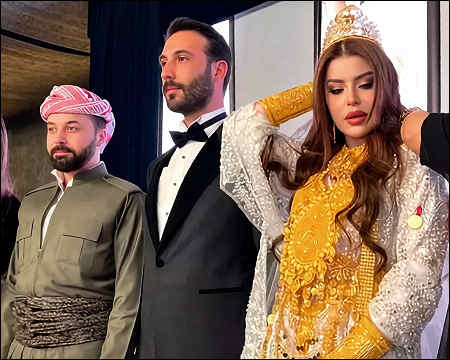
This tendency has been particularly visible in recent online discussions surrounding the wedding of a couple in Northern [Turkey] Kurdistan. Rather than engaging with their story, their background, or their hopes for the future, attention fixated on gold.
Posts circulated repeatedly, prices were calculated, and what should have remained a private and meaningful moment was transformed into a competition measured in grams and cost.
Historically, gold held a different significance in most Middle Eastern cultures. It symbolized security, particularly for women, at times when financial independence and legal protection were limited. While that meaning has gradually weakened, today the emphasis has shifted almost entirely away from protection or symbolism and toward display.
Gold now functions as a marker of status, family prestige, and social rank. The more extravagant the display, the greater the perceived success.
The contrast with many Western wedding traditions is striking. In numerous Western societies, wedding ceremonies are intentionally restrained, even among the very wealthy. A simple ring, perhaps a modest necklace or watch, and often nothing more. The focus remains on the couple themselves—their vows, their relationship, and the experience they share with those closest to them.
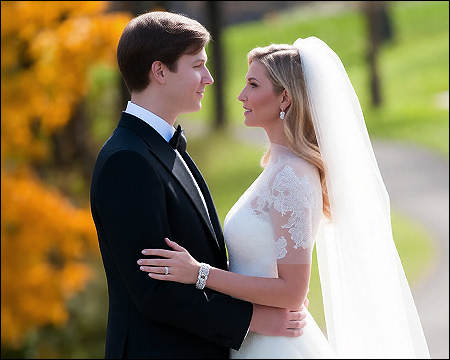
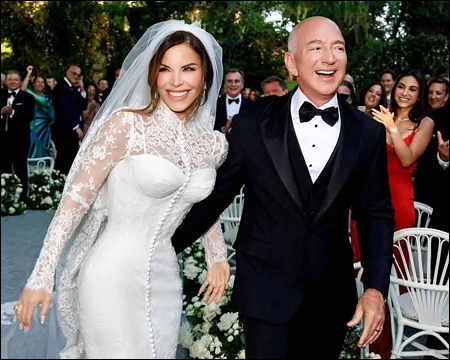
Even Western billionaires, who can easily afford vast amounts of gold and diamonds, rarely center their weddings on overt excess. Ivanka Trump’s wedding offers a clear example.
The event was undoubtedly luxurious, from the designer gown to the impressive venue, yet public attention did not fixate on how much gold the groom provided. Media coverage emphasized design, atmosphere, and style, not the enumeration of diamonds. Wealth was present, but it did not demand attention.
This contrast points to a broader truth: genuine wealth does not need constant validation. Confidence does not require continuous display. When a culture feels secure in its values, personal milestones do not need to be transformed into public competitions.
The fixation on gold comes at a tangible human cost. Young Kurdish men and women across the region increasingly feel burdened by expectations they cannot realistically meet. Love is postponed or abandoned as financial standards escalate beyond reach.
Many experience sadness and shame, not because of a lack of commitment or character, but because of insufficient financial means. The result is growing frustration, resentment, and emotional strain that quietly permeate families and communities.
Excessive materialism does not strengthen a society. It does not foster education, unity, or dignity. It does not produce stability or well-being. Instead, it diverts attention from what truly matters and imposes unnecessary burdens on future generations.
Media outlets and social platforms play a significant role in reinforcing this mindset. By emphasizing the total value of gold rather than personal narratives, they define success in strictly material terms. Yet culture is not immutable; it evolves through the choices individuals and families make.
It is time for Kurdish society to reconsider the value placed on material displays that offer little genuine meaning and contribute nothing lasting to the community.
This fixation does not elevate us. It leaves young men feeling inadequate and transforms marriage from a human bond into a financial barrier.
Change does not require collective transformation overnight. It begins when two people choose love over display, when families choose dignity over competition. When that shift occurs, wedding ceremonies can once again become what they were meant to be: celebrations of two individuals choosing one another, not demonstrations of how much gold they can afford.
This article was originally published in the Kurdish language in Awene Newspaper on December 22, 2025.
The opinions are those of the writer and do not necessarily represent the views of iKurd.net or its editors.
Copyright © 2025 iKurd.net. All rights reserved.
Related posts:
 When will Gold peak again? Lessons from 1980, 2011, and 2025
 The Dangers of Banning Cash: A Threat to Financial Freedom
 Kurdish Women, Marriage, and Tribal Constraints
 Spiritual Revival of the Forgotten Traditions of NuRoj
 Iraq: Revenge and Corruption
 The changing faces of Kurdish women: How fillers redefined beauty in Kurdistan
 Business with ISIS – Updated
 Turkey: The Psychological War Against the Kurds Through the PKK – Part I
 Iraqi Kurdistan: The Emperors’ New Clothes
 Iraqi Kurdistan – “Sold Out!” – Part II