

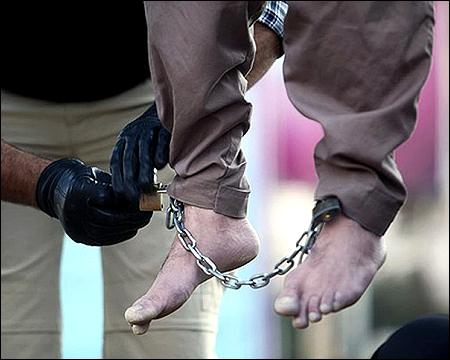
TEHRAN,— Iran carried out at least 1,500 executions in 2025, including 264 Kurdish prisoners, marking the highest annual total recorded in decades, according to the Norway based Iran Human Rights group and the Kurdish rights organization Hengaw.
Iran Human Rights said the figure represents an unprecedented rise in the use of capital punishment. The organization said the number is provisional but already exceeds all previous annual totals it has documented over the past 35 years.
Mahmood Amiry Moghaddam, director of Iran Human Rights, said the group has verified the executions through court records, prison sources, and independent reporting. He said more than 700 of those executed were sentenced on drug related charges.
Hengaw, which monitors human rights conditions in Iranian Kurdistan, known as Rojhelat, said in its annual report that Iranian authorities executed at least 264 Kurdish prisoners during the year. The organization said the executions took place across several provinces and involved detainees held on various charges.
According to Iran Human Rights, executions have increased sharply since protests erupted across Iran in September 2022 following the death in custody of Mahsa Jina Amini.
Amini, an Iranian Kurdish woman, was arrested by morality police over an alleged violation of Iran’s mandatory dress code.
Execution numbers rose from more than 500 in 2022 to over 800 in 2023, then reached at least 975 in 2024, the group said. The total increased further in 2025 to at least 1,500 executions.
The release of the figures coincided with renewed demonstrations in Iran linked to economic grievances.
The Fars news agency reported clashes on Thursday in southwestern Iran, including in the city of Lordegan, where protesters threw stones and security forces responded with tear gas.
Amiry Moghaddam said Iranian authorities continue to use executions as a tool of deterrence. He said the policy has not prevented new protests, though recent demonstrations remain smaller than those seen in 2022.
Since the establishment of the Islamic Republic in 1979, Kurdish communities in Iranian Kurdistan have been subject to discriminatory laws and policies affecting social, political, and economic life.
Kurds in Iran face restrictions in the exercise of religious, economic, and cultural rights.
Parents are prohibited from registering certain Kurdish names for their children, and religious minorities that are largely or partly Kurdish are subject to measures that limit their participation in public life.
Access to employment, adequate housing, and political representation remains restricted for many Kurds, contributing to long standing poverty and continued marginalization.
Estimate to over 12 million Kurds live in Iranian Kurdistan.
(With files from AFP | Agencies)
Copyright © 2026 iKurd.net. All rights reserved.
Related posts:
 The Assassination of Abdurrahman Ghassemlou: No Friends but the Mullahs?
 The Suffocation of Iraq Kurdistan
 Anfal – The Black Stain on Iraqi History Spreads
 Iran – Toxic Theocracy – Part I
 Business with ISIS – Updated
 The Resurrection (Ba’ath) Party – Before the Iran-Iraq War
 The Mustashar and the Jash – A View from the Position of ‘Iraqi National Unity’ on the ‘Descendants of Treason’
 The Sun Also Rises in Western Iran
 LOSING IRAQ — to Iran
 Iran, a Failed Country by Enemies Within