

BAGHDAD,— Iraq’s national oil marketing company said Tuesday it has not received any crude oil from the Kurdistan Region, despite a recent agreement between Erbil and Baghdad.
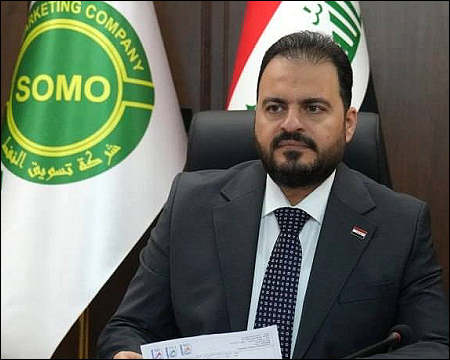
Ali Nazar Faeq, Director General of SOMO, told the state-run Iraqi News Agency (INA) that no crude oil shipments had been received from the Kurdish Region.
This comes after a recent agreement between the two sides that Erbil would hand over its full oil output to the central government in exchange for budget allocations.
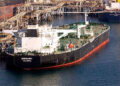
Faeq confirmed that SOMO has completed all legal and technical preparations for resuming crude exports through the Turkish port of Ceyhan and stands prepared to accept shipments from the Kurdistan Region at any time.
The SOMO chief dismissed accusations circulating about oil smuggling or blending at Iraq’s loading facilities, clarifying that recent internal memos on the matter were part of routine operations aimed at organizing tanker schedules. He added that SOMO maintains a strict policy against engaging with companies sanctioned under international law.
Iraq is currently exporting between 3.35 million and 3.4 million barrels of oil per day. According to Faeq, around 78 to 80 percent of these exports are directed toward long-term partners, while the remaining share is shipped to buyers in Europe and the United States.
Meanwhile, on July 22, the Iraqi Ministry of Finance announced the release of public sector salaries for the Kurdistan Region for the month of May.
The payment had been delayed for nearly three months. The disbursement followed assurances from the Kurdistan Regional Government (KRG) to comply with the oil export deal.
Questions remain about whether the KRG is presenting the full truth, as several officials have accused the Kurdish government of deliberately misleading the public regarding its commitments and disclosures to the federal authorities.
Under the deal, Kurdistan is required to export an estimated 230,000 barrels per day through SOMO while reserving 50,000 barrels for internal consumption. The KRG must also transfer 120 billion Iraqi dinars (about $92 million) in monthly non-oil revenues to Baghdad.
Despite the agreements, the Kurdistan Region continues to face scrutiny. Independent monitors, lawmakers, and leaked records have alleged extensive corruption involving oil revenues.
The Barzani family, which leads Iraqi Kurdistan Region, has been frequently accused of nepotism and using public oil wealth for private gain.
Copyright © 2025 iKurd.net. All rights reserved
Related posts:
 Iraqi Kurdistan – “Sold Out!” – Part II
 Iraq – The Cynical Swindle
 Saddam Hussein’s Enemies: Paving the Road to the Invasion of Iraq
 Iraq: Revenge and Corruption
 The Resurrection (Ba’ath) Party – Before the Iran-Iraq War
 Business with ISIS – Updated
 Saddam Hussein was a Friend to the West
 The Misleaders: Corrupt, Filthy Rich, and Proud of it
 The Suffocation of Iraq Kurdistan
 Iraqi Kurdistan – “Sold Out!” – Part III