

RAQQA, Syria,— Evidence has emerged of a brutal massacre of a Kurdish family by Islamist fighters aligned with Syrian interim President Ahmed al-Sharaa and his army on January 18, 2026.
The attack came the same day Sharaa declared a ceasefire with the Kurdish Syrian Democratic Forces SDF, and one day after the Syrian army and allied militias launched a major operation to seize Raqqa from Kurdish control.
Videos and audio recordings obtained by Rudaw TV document the killings in a village east of Raqqa. A surviving Kurdish family member, Shirin Mohammed Salih, captured the sounds of gunfire and sent voice messages during the assault.
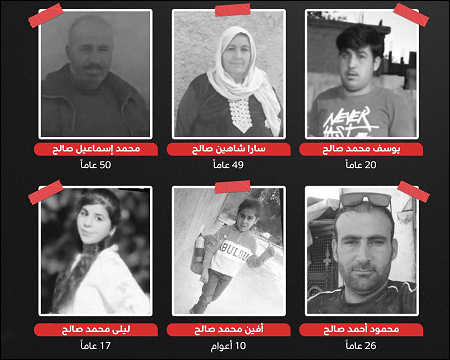
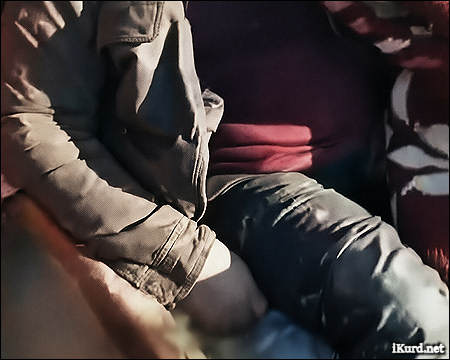
Mohammed Ismail Salih, 50, had gathered his 12-member family into a small pickup truck, seeking to flee to Hasaka city, a Kurdish-majority area in Rojava Kurdistan, still under SDF control.
The SDF serves as the de facto military authority in Syrian Kurdistan and has been a key ally of the US-led coalition that defeated ISIS in Syria in 2019.
As government Islamist forces advanced toward Raqqa, the route north became increasingly dangerous. Mohammed chose to leave the city, believing that staying would expose his family to the ongoing offensive.
Around 5:30 p.m. local time, near the village of Abu Khashab, approximately 90 kilometers north of Deir ez-Zor, the family truck encountered a checkpoint set up by armed men. These gunmen demanded the vehicle stop, and a commander interrogated the family.
“Where are you from?” the man asked.
“Raqqa,” Mohammed replied.
“Kurdish or Arab?” the gunman continued.
“Kurdish, but we do not belong to any armed group or political party,” Mohammed answered.
The commander then ordered the killing of all adults. Mohammed was shot in the head immediately. The gunmen dragged his wife, 49-year-old Sara Shahin Salih, from the vehicle and executed her with a shot to the back of the head.
Three children – Yousef, 20; Layla, 17; and Avin, 10 – along with brother-in-law Mahmoud Ahmad Salih, 26, were also killed. Other family members were wounded while attempting to flee.
Shirin, 25, survived and documented the killings in voice messages, calling out the names of those being executed. “Dad is gone, Yousef is gone, Mahmoud is gone, and Mom is gone,” she screamed in one recording.
Her messages were later provided by Kamaran Osman, a human rights defender with a US-based watchdog experienced in documenting war crimes in Syria.
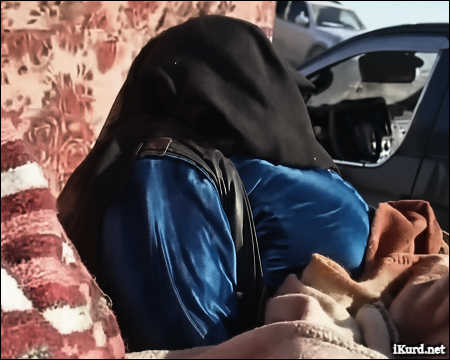
The attackers then moved the wounded into their vehicles and transported them toward Deir ez-Zor, abandoning them along the road. Local villagers discovered the injured and brought them to a hospital.
Wounded survivors included Ghazal Mohammed Salih, 16; Ibrahim Mohammed Salih; and Shirin’s children: Shadi, 6; Ibrahim, 4; and Lavand, 2. Neighbors later provided shelter and private medical care to those who survived.
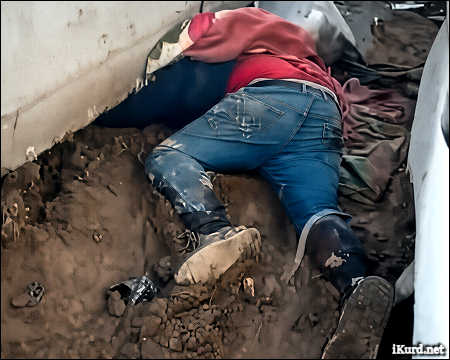
Meanwhile, the bodies of the deceased were retrieved by villagers from Abu Khashab, identified through photographs supplied by relatives. A video shows a man moving among the bodies, naming each victim and identifying them as local neighbors.
The massacre occurred despite Kurdish leaders holding talks with US Special Envoy for Syria Tom Barrack in Erbil on January 17, a day before the killings, attempting to prevent such attacks.
On January 18, Sharaa publicly announced a 14-point ceasefire agreement with the SDF, intended to halt hostilities and open dialogue.
“The United States commends the Syrian government and the [Kurdish-led] Syrian Democratic Forces for their constructive efforts in reaching today’s ceasefire agreement,” Barrack stated on social media, celebrating the accord.
His remarks came while violence and bloodshed continued in Deir ez-Zor, with the Salih family among the victims.
This incident underscores ongoing violence by Syrian state forces and affiliated Islamist militias in northern and eastern Syria.
Kurdish sources emphasize that many Arab tribal fighters, previously allied with the SDF, switched allegiance to the Syrian government, contributing to the collapse of security and facilitating attacks on Kurdish civilians.
The attack also highlights the fragility of agreements between Damascus and Kurdish authorities.
Despite formal ceasefires, Syrian government Islamist fighters loyal to Sharaa continued aggressive operations in contested areas.
Survivor Shirin Mohammed Salih remains in Deir ez-Zor, recounting the killings of her family and calling attention to the role of Syrian state forces in the massacre.
Human rights organizations monitoring Syria condemned the killings, emphasizing that Kurdish civilians were deliberately targeted during an offensive that coincided with an official ceasefire announcement.
The conflict in northeast Syria has intensified following the fall of ISIS, with competing factions vying for control of strategic areas like Raqqa and Deir ez-Zor.
Kurdish forces have maintained their control over Syrian Kurdistan (Rojava) despite repeated attacks from the Syrian army and allied jihadists. Analysts warn that civilians continue to bear the brunt of military campaigns, particularly when armed groups disregard international law.
The Salih family massacre serves as a grim reminder of the dangers faced by Kurds and other minority communities in Syria’s ongoing conflict.
While international attention has focused on negotiations and ceasefire agreements, incidents like this reveal the continuing threat posed by Assad-aligned forces and extremist militias operating in the region.
As investigations continue, the fate of the surviving children and injured family members remains precarious, reliant on local support networks and limited medical care. The Syrian government, its Islamist allies, and other armed groups have yet to account for the killings, leaving victims’ families demanding justice.
This episode reinforces concerns raised by the US and human rights organizations about the inability of official ceasefires to prevent massacres and the ongoing risk to civilians in areas under dispute in northeastern Syria.
(With files from Rudaw)
Copyright © 2026 iKurd.net. All rights reserved.
Related posts:
 Business with ISIS – Updated
 Syria: The Hijacking of the Arab Spring: From ISIS to Hayat Tahrir al-Sham
 The Resurrection (Ba’ath) Party – Before the Iran-Iraq War
 Syrian govt militias deploy to former Kurdish-held areas under ceasefire deal
 Stealing Syria
 Syria: A ‘Caliphate’ by Any Other Name — Would Smell the Same
 Turkey: Nato’s Islamic State Member
 Syria: Revisiting The Caesar Torture Victim Photographs
 Syria’s Raqqa Will Mark Islamic State Downfall
 Sabotaging Syria