


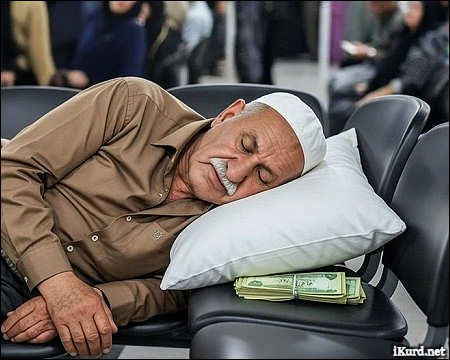
Iraq’s Cash Habit: Why Digital Payments Still Struggle to Take Root
BAGHDAD/ERBIL,— In Iraq, money under the pillow is more than a metaphor. It is a habit. Despite official calls for digital transformation, most Iraqis still withdraw salaries in cash, pay for daily purchases with banknotes, and stash their savings at home rather than in banks.
Across the region, a swipe or tap is enough to pay for groceries, coffee, or a taxi. In Iraq, this remains the exception. Electronic payments are often seen as risky, confusing, or unnecessary.
At the heart of Iraq’s cash culture is trust, or the lack of it. Years of political instability, economic shocks, and frustrating banking experiences have made many citizens wary of depositing money. Reports of unexplained account deductions, transaction errors, and slow complaint handling only reinforce the belief that money is safer under the pillow.
Even when digital payments offer convenience, one bad experience is often enough to push people back to cash. For many Iraqis, the question is simple. Is my money truly safe, and can I get it when I need it?
Keeping money at home is comfortable, but it is costly. Large sums remain outside banks, limiting the financial system’s ability to fund businesses, projects, or loans.
Inflation slowly erodes savings, while theft, fire, or accidents can wipe out years of careful accumulation.
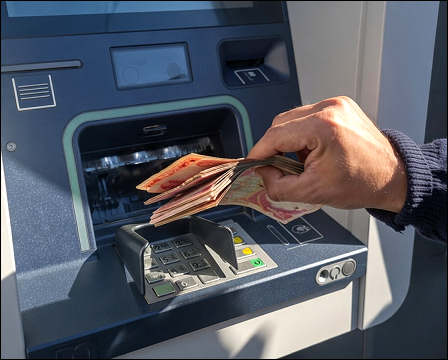
Economists warn that when cash is hoarded at home, it slows economic circulation. Funds that could fuel businesses or investment projects instead sit idle, benefiting no one beyond the individual saver.
Even Iraqis willing to use cards face practical barriers. Many shops, fuel stations, and markets still lack point-of-sale devices. Customers often need to travel just to find a place that accepts a card.
This creates a self-reinforcing cycle. Merchants do not invest in terminals without enough customers, and customers avoid cards if few places accept them. In neighboring countries, governments and banks coordinated a push, with terminals in stores, electronic payments linked to public services, and card use normalized in daily life. Without that coordination, adoption stalls.
Cash may feel safe, but it comes at the cost of insight. Electronic transactions leave digital footprints, revealing spending patterns, consumer demand, and economic trends.
Cash leaves no trace, making it harder for governments to plan, tax, or regulate effectively. A robust digital payment system could improve transparency, boost governance, and support economic growth.
The greatest risk of a cashless society is the possibility that people’s wealth could be seized without warning. With government-issued digital currencies, authorities have access to an individual’s full financial history. This creates the potential for people to be targeted because of their political views, associations, or activities.
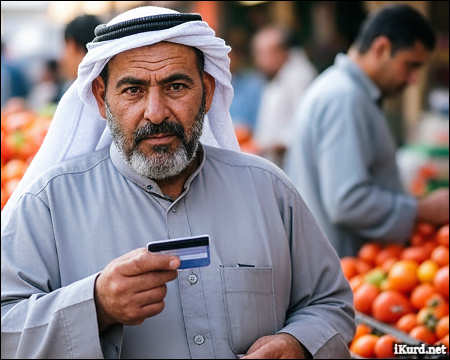
The government has made some progress, linking certain salaries, grants, and fees to cards, and encouraging banks to issue more cards and expand ATM networks.
Yet major obstacles remain. Trust and financial literacy are limited, and banking procedures remain opaque for many. Concepts like fees, transfers, or digital security are often confusing.
Reforms are needed. Lower fees, simpler processes, strict consumer protection, and responsive complaint mechanisms would help. Public awareness campaigns could also show citizens the difference between cash under the pillow and money working in the economy.
Moving Iraq from a cash-dominated society to a digital economy will not happen overnight. It requires investment in infrastructure, clear regulations, education campaigns, and strong consumer protections.
Electronic payments are more than technology. They are a shift in how money circulates and how citizens interact with financial institutions. If Iraq can build trust and expand access, card payments could become as ordinary as pulling money from a pillow.
Until then, millions of Iraqis will continue to feel safer keeping cash close at hand, even as it quietly erodes purchasing power and limits the country’s economic potential. The challenge is turning the pillow into a bank, without losing the comfort of security that generations have relied on.
(With files from BaghdadToday)
Copyright © 2026 iKurd.net. All rights reserved.
Related posts:
 The Dangers of Banning Cash: A Threat to Financial Freedom
 Iraqi Kurdistan – “Sold Out!” – Part II
 Why Iraqis and Kurdistan Citizens Don’t Trust Banks?
 Saddam Hussein was a Friend to the West
 Iraq – The Cynical Swindle
 Iraq: A State of Surveillance – Databases, Tracking And Corruption
 Facial Recognition Technology, Monitoring and Infiltration of the opposition in Iraq
 Saddam Hussein’s Enemies: Paving the Road to the Invasion of Iraq
 Trading cryptocurrencies unlawful under Islamic law, Sulaimani Fatwa Committee says
 The Resurrection (Ba’ath) Party – Before the Iran-Iraq War